





 View All
Candle Fragrance Oils: How to Choose the Right Scent for Your Candle Line
Sona MelikyanCandle fragrance oils are at the heart of every successful candle. While wax, wicks, and vessels determine how a candle burns, fragrance is what defines how it feels. It’s what customers remember, what they come back for, and what ultimately turns a one-time purchase into a loyal customer relationship.
For candle makers and manufacturers, fragrance oils are not just an ingredient—they are a strategic tool. The right scent can position your brand as luxurious, seasonal, clean, or trend-forward. Whether you are producing small batches or scaling into bulk production, understanding how to select and work with fragrance oils is essential for long-term success.

Why Candle Fragrance Oils Matter
When a customer picks up a candle, the first moment of connection is almost always scent. Before they evaluate burn quality or packaging, they are already forming an emotional response. This is why fragrance plays such a critical role in product development.
A well-developed fragrance profile can elevate a simple candle into a premium product. It can create a sense of comfort, nostalgia, freshness, or even celebration. For businesses, this translates into stronger brand identity and higher repeat purchase rates. Many successful candle brands are built around signature scents that customers instantly recognize.
If you're building or expanding your product line, it’s important to explore a wide range of options and continuously refine your scent offerings.
Exploring Different Fragrance Categories
A strong candle line typically includes a mix of fragrance categories that appeal to different moods, environments, and seasons. Rather than focusing on a single scent type, successful brands build collections that feel cohesive yet versatile.
Fruity candle fragrance oils are often associated with brightness and energy. Scents like apple, citrus, and berry blends tend to perform especially well in warmer seasons or in playful, modern collections. They bring a sense of freshness that feels uplifting and approachable.
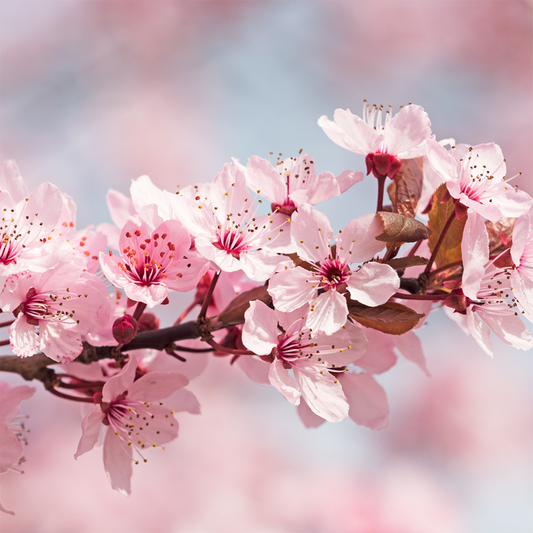
Floral candle fragrance oils, on the other hand, introduce softness and elegance. Notes like jasmine, rose, and lavender are commonly used in spa-inspired or luxury candles. These scents are especially popular for weddings, events, and gift-focused products where a refined atmosphere is key.
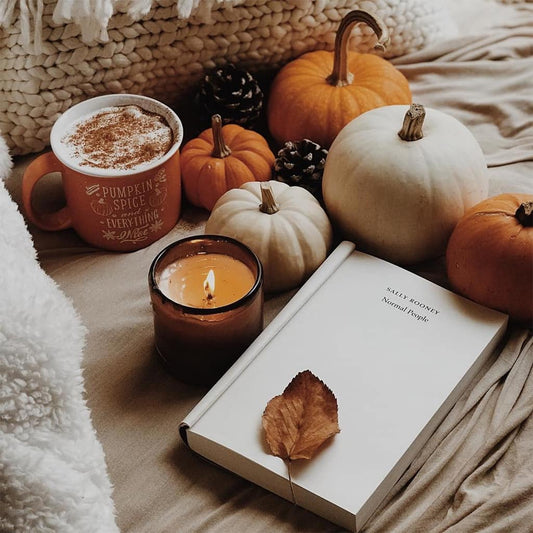
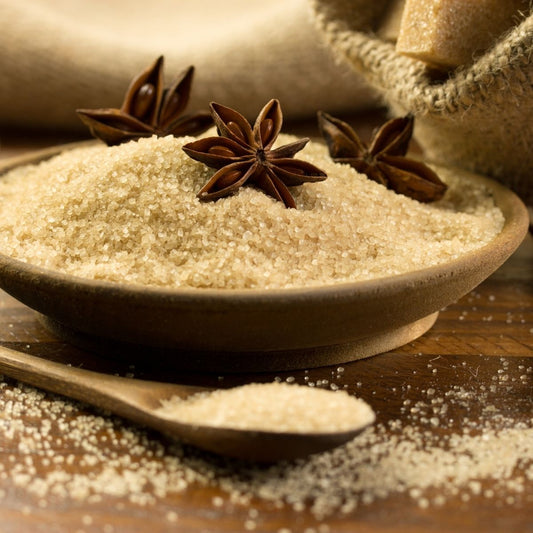
For a deeper and more grounded experience, warm and woody fragrances offer richness and complexity. Ingredients like sandalwood, amber, and vanilla create a comforting, long-lasting impression that works beautifully in fall and winter collections or upscale interior settings.
Fresh and clean candle fragrance oils bring a completely different dimension. Often inspired by linen, ocean air, or green notes, these scents are widely used in hospitality, wellness spaces, and everyday home use. They appeal to customers looking for subtlety rather than intensity, making them ideal for broader audiences.

Understanding Fragrance Structure
Every fragrance oil is built with a layered structure that evolves over time. This structure plays a major role in how a candle performs both when cold and when burning.
Top notes are the first impression. They are typically light, fresh, and quick to evaporate, giving the initial burst of scent when a candle is smelled or first lit. Middle notes form the core of the fragrance and provide balance, often carrying floral or fruity characteristics. Base notes are the foundation, offering depth and longevity with richer elements like musk, vanilla, or wood.
A well-balanced fragrance oil ensures that the scent doesn’t disappear after the first burn but instead develops and lingers throughout the candle’s life. This is what creates a strong and consistent scent throw—one of the most important qualities customers look for.
Choosing the Right Fragrance for Your Audience
Selecting the right fragrance is not just about personal preference—it’s about understanding your target market and how your candles will be used.
For example, event planners and wedding designers often gravitate toward soft florals and clean, elegant blends that complement décor without overpowering the space. Restaurants and hospitality businesses typically prefer subtle, fresh scents that enhance the environment without interfering with food aromas.
Retail customers, however, tend to follow seasonal trends. Bright, fruity, and citrusy scents perform well in spring and summer, while warm, spicy, and woody fragrances dominate in fall and winter. Recognizing these patterns allows you to plan collections that feel timely and relevant.
Equally important is testing how a fragrance performs in your chosen wax. Not all oils behave the same way, and achieving the right balance between scent strength and burn quality requires careful formulation.

Fragrance Load and Candle Performance
One of the most common challenges in candle making is finding the correct fragrance load. While it may be tempting to add more oil for a stronger scent, this can actually lead to performance issues such as poor burning, sweating, or uneven texture.
Each wax type has its own capacity for holding fragrance. Soy wax typically performs well within a moderate range, while paraffin and certain blends may allow for higher loads. The key is to test and refine your formula until you achieve a balance where the candle burns cleanly while delivering a strong scent throw.
Understanding this relationship between wax and fragrance is essential for producing a consistent, high-quality product at any scale.
Creating a Signature Scent
As the candle market continues to grow, differentiation becomes more important than ever. One of the most effective ways to stand out is by developing a signature scent that is unique to your brand.
Blending fragrance oils allows you to create something original—something customers cannot easily find elsewhere. A combination of fruity and floral notes might produce a bright yet elegant scent, while mixing vanilla with woody elements can result in a warm, luxurious profile.
Over time, these custom blends can become a defining feature of your brand, helping you build recognition and loyalty. Customers often return not just for candles, but for the specific scent experience you provide.

Safety, Compliance, and Professional Standards
For candle makers selling to consumers, safety and compliance should never be overlooked. High-quality fragrance oils should meet industry standards and be supported by proper documentation, including IFRA guidelines and SDS sheets.
This is particularly important for businesses producing candles at scale or selling through retail channels. Clear documentation not only ensures safety but also builds trust with customers and partners.
How Fragrance Influences Sales
Fragrance is one of the most powerful drivers of candle sales. While visual presentation attracts attention, scent is what closes the sale. Customers often choose candles based on how they make them feel, whether it’s relaxed, energized, comforted, or inspired.
Seasonal scents encourage repeat purchases, while signature fragrances create brand recognition. Over time, a strong fragrance strategy can transform your candle line into a memorable and in-demand collection.
Candle fragrance oils are more than just a component—they are the identity of your product. From selecting the right scent profile to testing performance and creating custom blends, every decision you make around fragrance contributes to the success of your candles.
By investing in high-quality fragrance oils and developing a thoughtful scent strategy, you can create products that not only perform well but also leave a lasting impression on your customers.