


 View All
Candle Jar Guide: How to Calculate Wax Fill and Test Candle Jars Before Selling
Sona MelikyanChoosing the right candle jar is only the beginning of creating a successful candle. This candle jar guide covers everything you need to know before turning a beautiful candle vessel into a finished product. From calculating the correct wax fill and selecting the right wick to properly testing your candle jars for safety and performance, each step plays an important role in producing a high-quality candle.
Whether you're making candles as a hobby or growing a candle business, understanding how candle jars affect burn performance, appearance, and customer satisfaction can help you avoid costly mistakes and create products you can confidently sell.
Why Choosing the Right Candle Jar Matters
A candle jar does much more than simply hold wax. The size, shape, wall thickness, and opening diameter all influence how your candle burns. The right candle jar can help:
- Improve burn performance
- Support proper wick performance
- Enhance fragrance throw
- Increase safety
- Elevate the appearance of your finished candle
- Strengthen your brand image
Glass candle jars remain one of the most popular choices because they offer durability, versatility, and a premium appearance that works well for many candle styles.

Choosing the Best Candle Jar for Your Project
Not every candle jar works for every type of candle. Consider these factors before selecting a vessel.
Jar Size
Smaller jars typically require less wax and shorter burn times, making them ideal for gifts, travel candles, or sample collections. Larger jars provide longer burn times and make excellent statement pieces.
Jar Diameter
The diameter of the jar has a greater impact on wick selection than height. A wider jar generally requires:
- A larger wick
- Multiple wicks
- Additional testing
A narrow jar often performs best with a single appropriately sized wick.
Glass Thickness
Quality candle jars are manufactured to withstand the heat produced during normal candle burning.
Choosing jars specifically designed for candle making helps reduce the risk of overheating and provides more consistent performance.
Style and Design
Your candle jar is often the first thing customers notice. Popular styles include:
- Clear glass
- Frosted glass
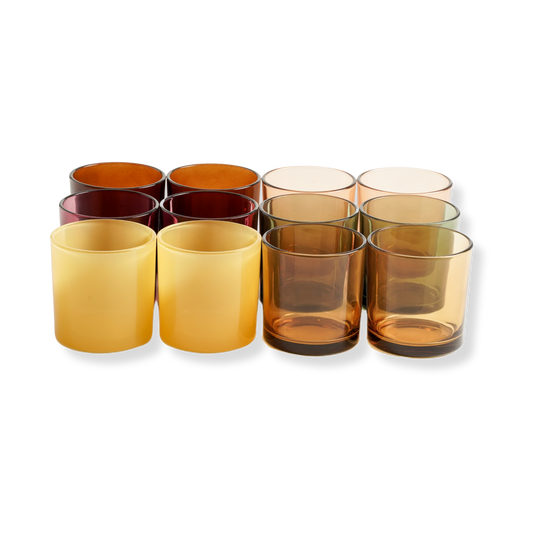
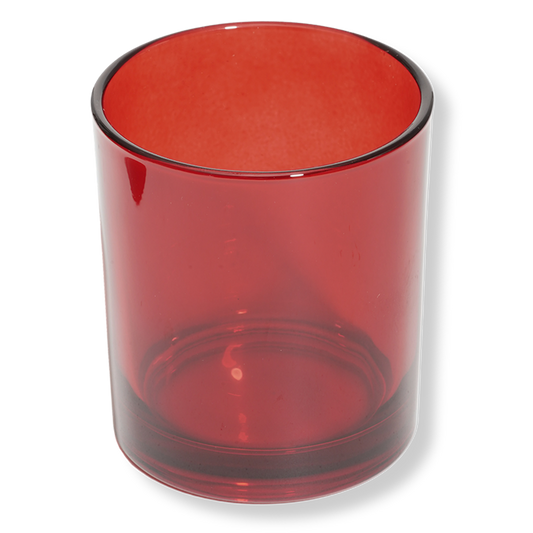
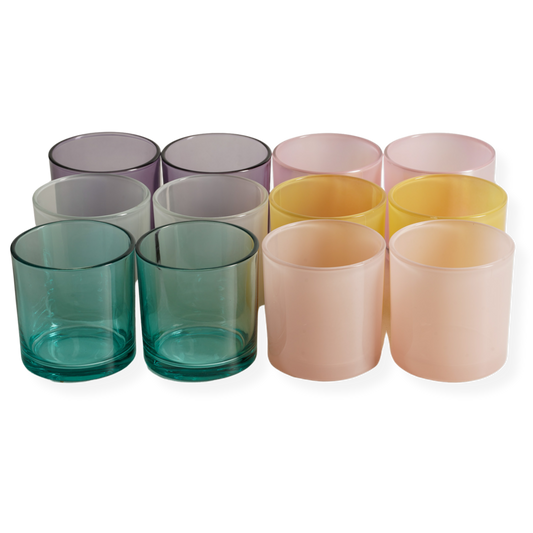
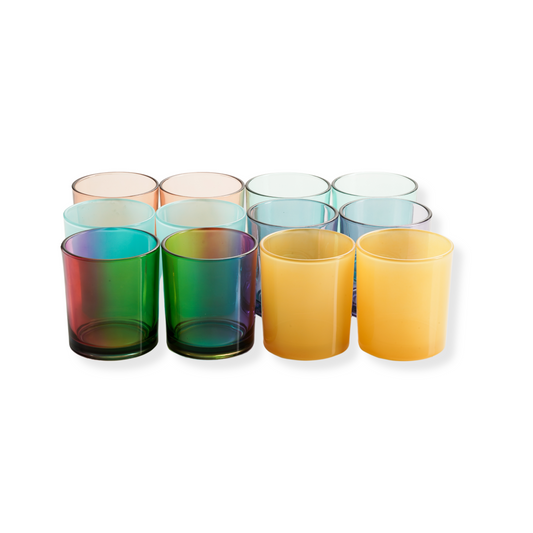
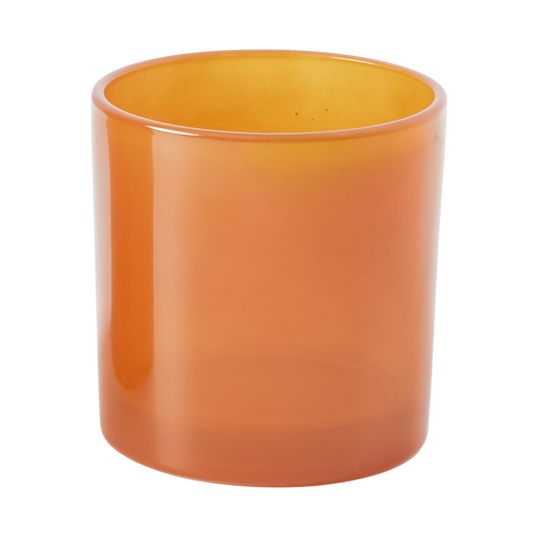
- Colored glass
- Matte finishes
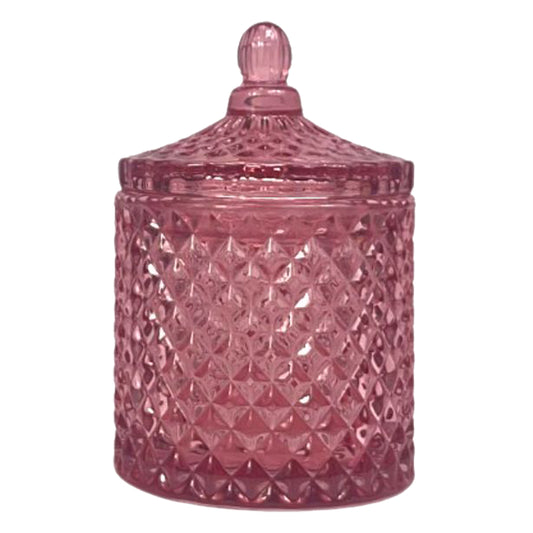
- Ribbed textures
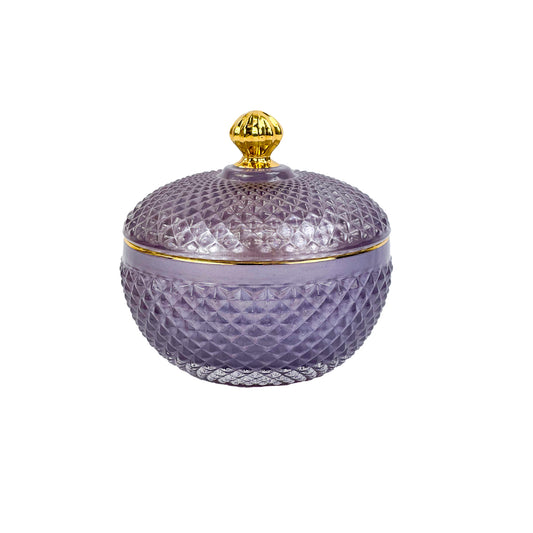
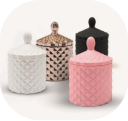
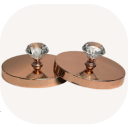
- Luxury vessels with decorative lids
The right vessel should complement both your fragrance collection and your overall brand aesthetic.

How to Calculate Wax Fill for Candle Jars
One of the most common questions candle makers ask is how much wax a candle jar actually holds. Calculating wax fill correctly helps maintain consistency across every candle you produce.
Step 1: Determine the Jar's Fill Capacity
Manufacturers often list the total wax capacity of a candle jar. If no information is available, you can determine it yourself by filling the jar with water and measuring the amount.
Since wax and water have different densities, always use this measurement as a starting point rather than an exact wax weight.
Step 2: Calculate Wax Weight
Most candle makers calculate wax by weight rather than volume. A simple method is:
Container Volume × 0.86 = Approximate Wax Weight
This provides a reliable estimate before adding fragrance oil.
Step 3: Account for Fragrance Oil
Once you've determined your wax weight, subtract the amount needed for your fragrance oil load. For example:
- Wax Weight: 10 oz.
- Fragrance Load: 8%
- Wax Needed: 9.2 oz.
- Fragrance Oil: 0.8 oz.
This helps maintain accurate fill levels and consistent performance.

Choosing the Right Wick for Your Candle Jar
Even the most beautiful candle jar won't perform well with the wrong wick. Wick selection depends on several factors:
- Jar diameter
- Wax type
- Fragrance load
- Dye usage
- Desired melt pool
- Burn time
Because every wax and fragrance combination behaves differently, burn testing remains essential.
How to Test Candle Jars Before Selling
Proper testing ensures your candle performs safely and consistently before reaching customers. Professional candle makers often complete multiple burn tests before finalizing a product.
Burn Test
Allow the candle to burn according to industry recommendations while observing:
- Melt pool formation
- Flame stability
- Wick mushrooming
- Smoke production
- Soot buildup
- Temperature Test
Monitor the outside surface of the candle jar throughout the burn. Excessive temperatures may indicate the wick is oversized or unsuitable for the container.
Full Burn Cycle
Continue testing until the candle reaches the end of its usable life. Observe whether:
- Wax burns evenly
- The wick remains centered
- Glass remains intact
- No excessive residue develops
- Repeat Testing
Small adjustments can produce significant changes. Retest whenever you change:
- Wax
- Fragrance
- Dye
- Wick
- Jar size
- Jar shape

Common Candle Jar Mistakes
Many beginners experience similar issues during product development. Avoid these common mistakes:
- Filling jars too high
- Choosing a wick based only on height
- Skipping burn testing
- Using decorative jars not intended for candle making
- Changing fragrance without retesting
- Assuming one wick works for every vessel
- Tips for Creating Professional-Looking Candle Jars
Attention to detail helps your finished candles stand out. Consider:
- Keeping wax levels consistent
- Centering every wick
- Cleaning jars before labeling
- Applying labels evenly
- Pairing lids with complementary vessel colors
- Selecting vessels that match your brand style
A well-designed candle jar creates a strong first impression and enhances the overall customer experience.
This candle jar guide provides the foundation for choosing the right vessel, calculating wax fill, selecting an appropriate wick, and properly testing your candles before selling them. While every candle recipe is unique, taking the time to test and refine each combination will help you produce candles that burn beautifully, perform consistently, and leave a lasting impression on your customers.
Whether you're creating classic clear glass candles or building a luxury collection with decorative vessels, investing time in proper candle jar selection and testing is one of the best ways to improve the quality of your finished products.