




 View All
How to Create a Candle Product Line: A Beginner’s Guide for Candle Makers
Sona MelikyanCreating your first candle product line is one of the most exciting steps in building a candle business. A well-designed candle collection helps establish your brand identity, attract loyal customers, and create a more professional shopping experience.
Whether you’re starting a small handmade candle business or preparing for larger-scale production, learning how to create a candle product line requires careful planning—from selecting fragrances and candle jars to testing wax performance and building cohesive packaging.
In this guide, we’ll walk through the essential steps candle makers should follow when launching their first candle collection.
Start With a Clear Candle Brand Concept
Before choosing fragrances or containers, define the overall theme of your candle line.
Your candle product line should feel connected and intentional. Customers are more likely to remember collections that have a consistent mood, aesthetic, or story. Some popular candle collection themes include:
- Seasonal candle collections
- Luxury spa-inspired candles
- Bakery and dessert fragrances
- Nature-inspired scents
- Minimalist modern candles
- Romantic floral collections
- Masculine wood and oud fragrances
- Holiday candle collections
For example, a luxury candle line may use matte black jars, sophisticated fragrance blends, and minimalist labels, while a farmhouse-inspired collection may feature amber jars and warm bakery scents.
Creating a strong concept early makes future decisions easier when selecting fragrance oils, jars, packaging, and marketing materials.

Choose Fragrances That Work Well Together
One of the most important parts of creating a candle product line is selecting fragrances that complement each other while still offering variety.
Many successful candle brands launch with 4–8 fragrances instead of dozens of scents. This keeps production manageable while still giving customers multiple options. A balanced beginner candle line might include:
- One clean/fresh fragrance
- One bakery scent
- One floral candle
- One masculine or woody scent
- One seasonal fragrance
- One relaxing spa-inspired aroma
When selecting fragrance oils, focus on:
- Strong hot and cold throw
- Consistent performance in your wax
- Customer appeal
- Seasonal flexibility
- Blend compatibility
Testing fragrances carefully is essential before launching any candle collection. You can also organize your candle line by fragrance family, such as:
- Citrus
- Floral
- Woodsy
- Sweet/Gourmand
- Fresh/Clean
- Herbal/Spa
This creates a more professional shopping experience for customers.

Select the Right Candle Jars for Your Collection
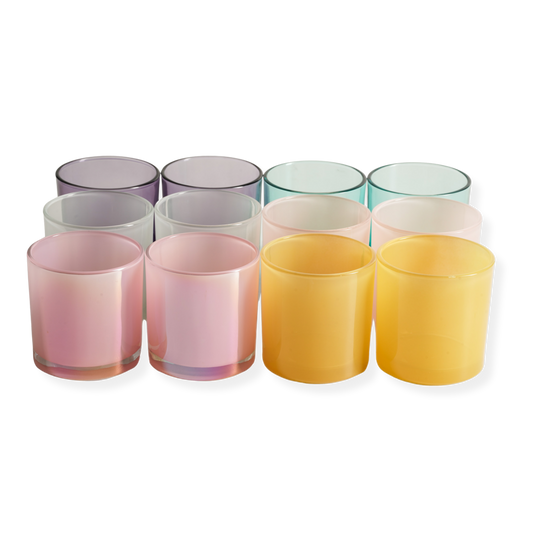
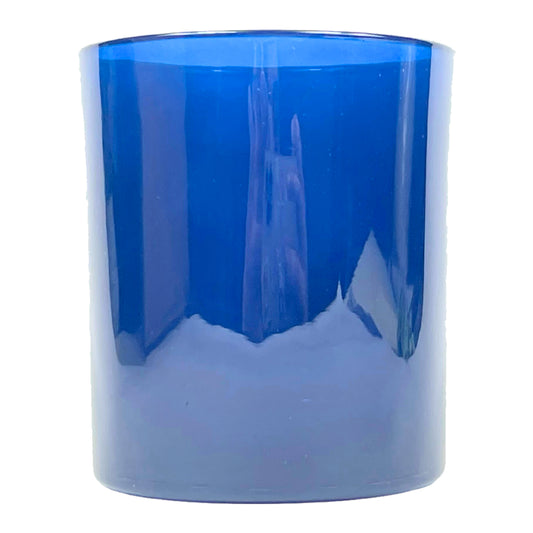
Your candle jars play a major role in branding and product presentation. A cohesive candle line typically uses:
- One jar style in multiple scents
- Multiple jar sizes with matching aesthetics
- Consistent label placement
- Coordinated lid styles
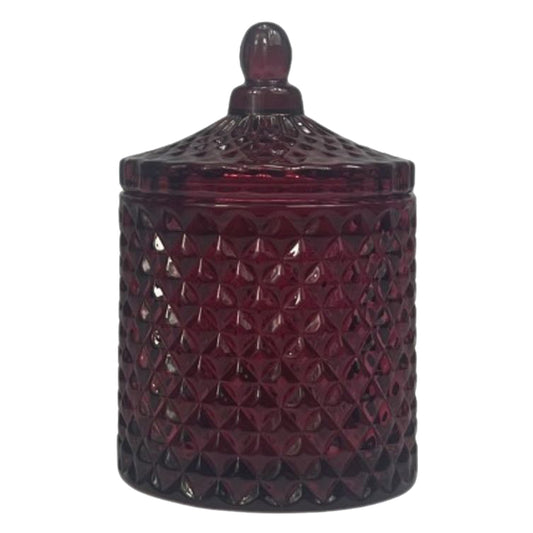
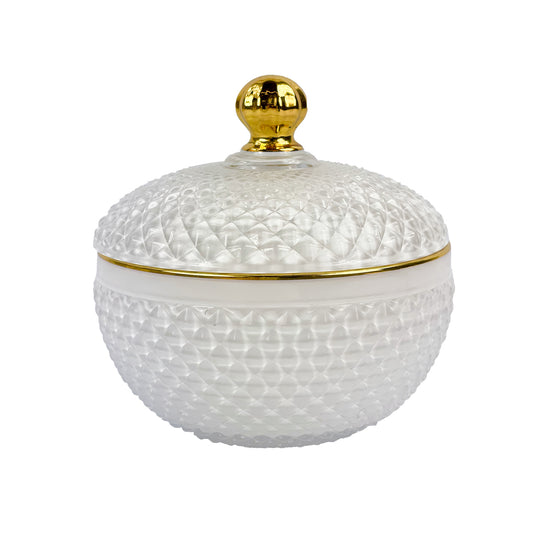
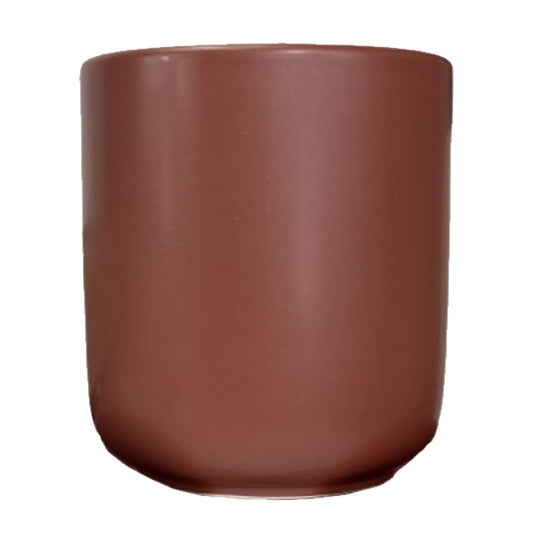
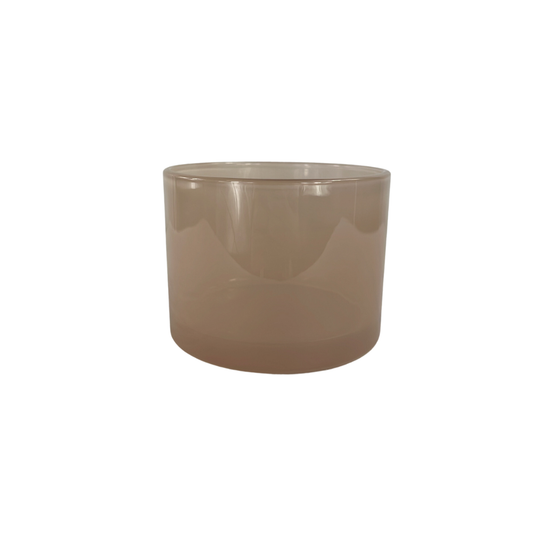
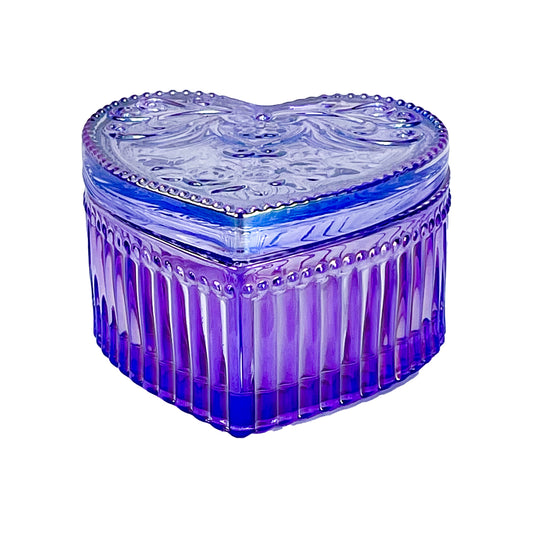
Popular options for candle makers include:
When choosing jars, consider:
- Wax capacity
- Heat resistance
- Wick compatibility
- Shipping durability
- Overall aesthetic
Using matching vessels across your candle collection helps create a polished and recognizable brand image.

Choose the Best Candle Wax for Consistency
Consistency is critical when building a candle product line. Using the same wax throughout your collection helps:
- Simplify production
- Improve scent consistency
- Reduce testing complications
- Maintain uniform burn quality
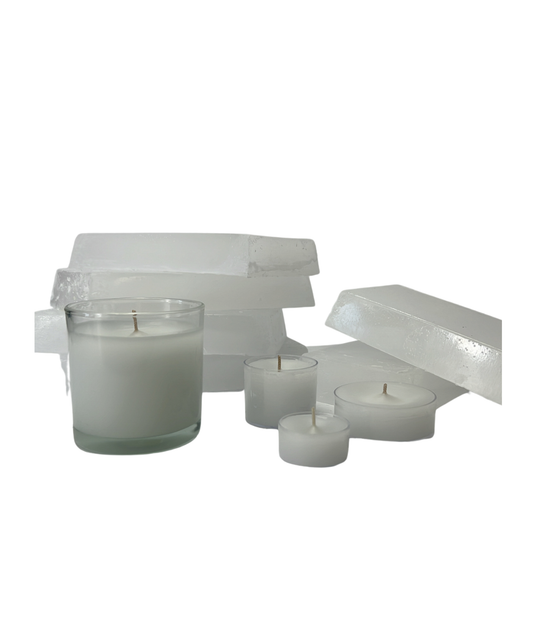
Popular candle wax options include:
Soy Wax
Known for clean burning and excellent customer appeal.
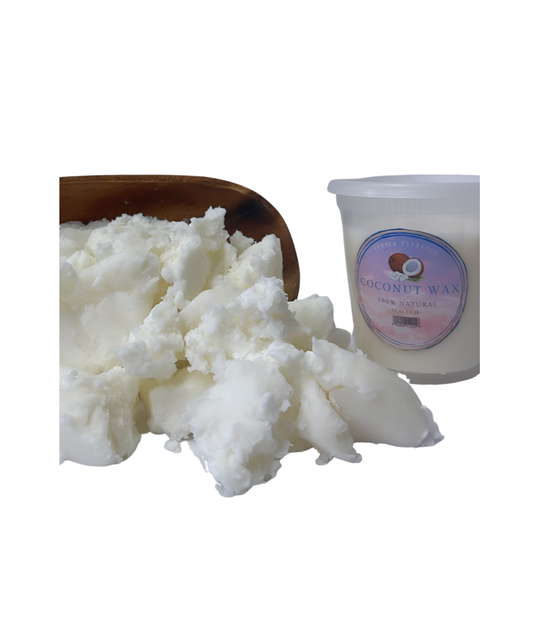
Coconut Wax Blends
Popular for luxury candles and smooth appearance.
Paraffin Wax
Offers strong scent throw and vibrant color performance.
Soy-Paraffin Blends
Balances performance and natural appeal.
When selecting wax for your candle line, test:
- Fragrance load compatibility
- Burn performance
- Frosting tendencies
- Cure time
- Hot throw strength
Professional candle makers often test multiple waxes before committing to a full product line.
Wick Testing Is Essential
One of the most overlooked parts of creating a candle product line is wick testing. Every fragrance oil, jar size, and wax combination may require a different wick size or series. Proper wick testing helps prevent:
- Tunneling
- Excessive soot
- Weak scent throw
- Overheating containers
- Mushrooming
Testing should include:
- Full burn cycles
- Melt pool evaluation
- Flame height monitoring
- Burn time tracking
- Safety testing
Skipping this step can lead to inconsistent candles and poor customer reviews.

Create Packaging That Matches Your Brand
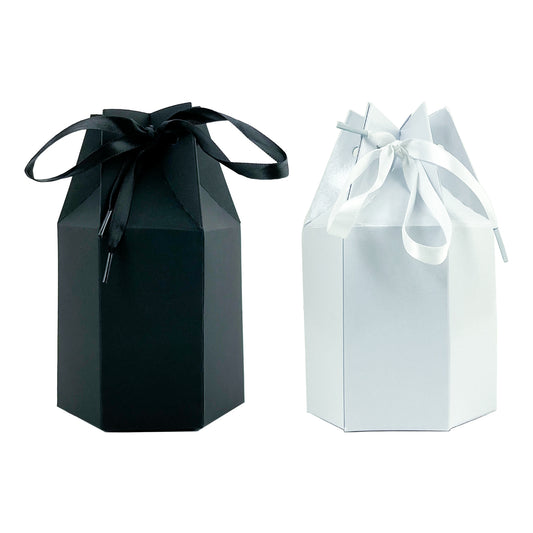
Packaging helps transform homemade candles into a professional candle collection. Your candle packaging should reflect:
- Your target audience
- Brand style
- Price point
- Collection theme
Some candle brands use:
- Minimalist white labels
- Luxury embossed packaging
- Eco-friendly kraft boxes
- Gold foil accents
- Matte black branding
- Soft neutral color palettes
Consistent branding across labels, boxes, inserts, and social media helps customers recognize your candle line more easily.

Name Your Candle Collection Strategically
Collection names can strengthen your brand identity and improve customer connection. Examples include:
- Coastal Escape Collection
- Midnight Woods Series
- Autumn Harvest Line
- Spa Ritual Collection
- Velvet Bloom Collection
You can also create scent names that fit within a larger theme. For example:
- Collection: Midnight Library
- Leather & Smoke
- Cedar Ink
- Velvet Pages
- Fireside Oak
This type of branding creates a more memorable customer experience.

Decide How Many Candles to Launch With
Many beginner candle makers feel pressured to launch with too many products. In reality, starting smaller often works better. Launching with 4–6 carefully tested candles allows you to:
- Focus on quality
- Simplify inventory management
- Reduce upfront costs
- Gather customer feedback
- Improve production consistency
As your candle business grows, you can expand your product line with seasonal collections, limited editions, or larger vessel options.
Price Your Candle Product Line Properly
Pricing should account for:
- Wax costs
- Fragrance oils
- Candle jars
- Wicks
- Packaging
- Labor
- Shipping materials
- Business overhead
Many new candle makers underprice their candles in the beginning. A profitable candle product line should support:
- Wholesale opportunities
- Marketing expenses
- Growth
- Reinvestment into supplies and equipment
Professional pricing creates long-term sustainability for your candle business.

Supplies Needed to Launch a Candle Product Line
Most candle makers will need:
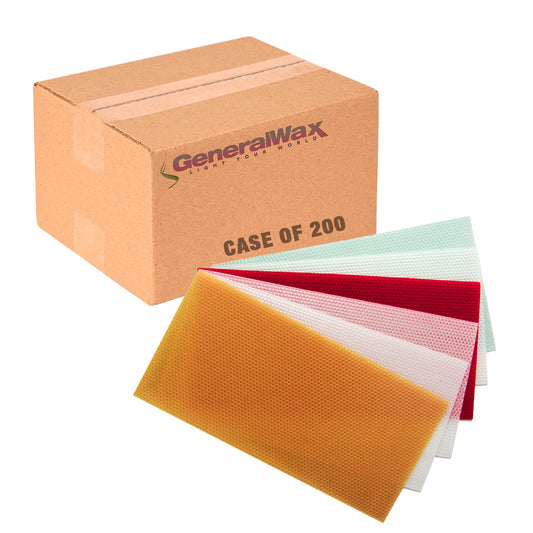
- Candle wax
- Fragrance oils
- Candle jars
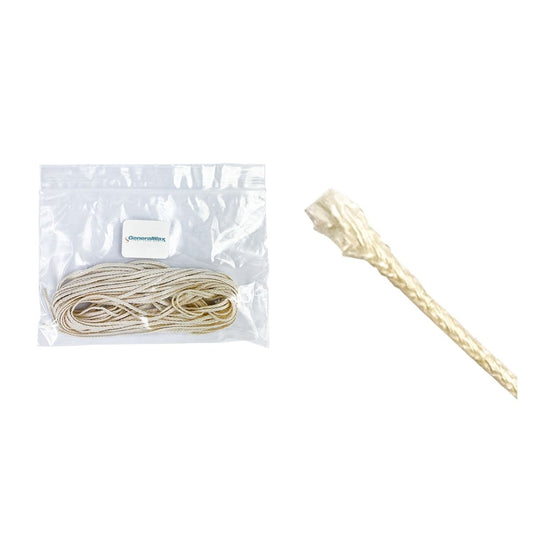
- Wicks
- Wick stickers
- Warning labels
- Thermometers
- Pouring pitchers
- Candle dye
- Packaging materials
- Lid options
- Testing supplies
Using high-quality candle making supplies can significantly improve the appearance and performance of your final products.

Common Mistakes When Creating a Candle Product Line
Avoid these beginner mistakes:
- Launching too many scents at once
- Skipping wick testing
- Using inconsistent jar styles
- Changing waxes frequently
- Ignoring branding
- Underpricing products
- Not curing candles properly
- Using low-quality fragrance oils
Taking time to test and plan your candle line carefully can save both time and money in the long run.
Learning how to create a candle product line involves more than simply pouring candles. Successful candle collections combine fragrance selection, branding, vessel design, wax performance, packaging, and testing into one cohesive customer experience.
Starting with a smaller, carefully curated candle collection allows new candle makers to build confidence, improve product consistency, and grow their brand strategically over time.
Whether you’re creating luxury candles, seasonal collections, or everyday home fragrances, investing in quality candle making supplies and proper testing can help set your candle business up for long-term success.