



 View All
How to Make Fall-Scented Candles: Fragrance, Wax, Wick, and Color Tips
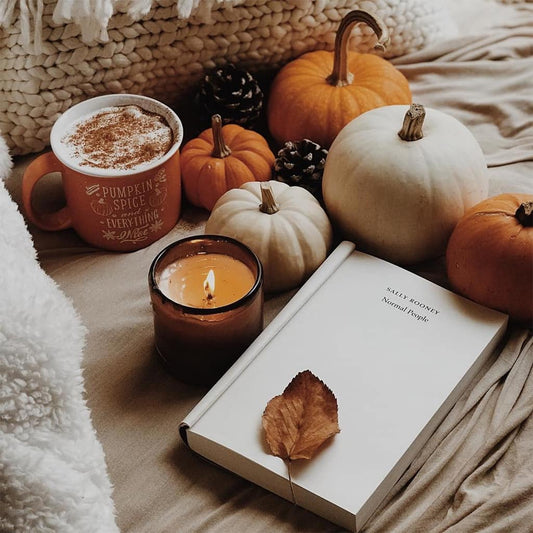
Sona MelikyanFall is one of the most exciting seasons for candle making. Warm fragrances, earthy colors, and cozy candlelight make handcrafted candles especially appealing for autumn decorating, seasonal gifts, and candle collections.
However, creating a great fall candle requires more than choosing a pumpkin fragrance and pouring it into a jar. The fragrance oil, wax, wick, color, and vessel must work together to produce a candle that looks beautiful and burns properly.
Whether you are making candles for yourself, giving them as gifts, or developing a seasonal product line, this guide will help you choose the right candle-making supplies for your fall creations.
Choose a Fall Candle Fragrance
Fragrance is often the inspiration behind an autumn candle. Some candle makers prefer familiar seasonal scents, while others combine several fragrance oils to create a distinctive blend. Popular fall candle fragrance families include:
• Pumpkin, squash, and warm spices
• Apple, pear, fig, and cranberry
• Cinnamon, clove, ginger, and nutmeg
• Vanilla, caramel, maple, and brown sugar
• Cedarwood, sandalwood, amber, and musk
• Pine, fir, eucalyptus, and other forest notes
• Tobacco, leather, and smoky fragrances
When choosing a fragrance oil for candle making, make sure it is intended for candle applications and compatible with the type of wax you plan to use. Fragrance oils developed for candles are formulated to perform when mixed into wax and exposed to heat.
You should also check the supplier’s usage recommendations and the maximum fragrance load of your wax. Using more fragrance oil does not always produce a stronger candle. An excessive amount may cause poor burning, oil separation, surface problems, or increased soot.
Always measure fragrance oil by weight instead of using drops, teaspoons, or other volume measurements.

Create Your Own Fall Fragrance Combinations
Blending fragrance oils allows you to create a fall scent that feels more original than a traditional single-fragrance candle. Here are a few autumn candle scent combinations to inspire you:
• Apple and cinnamon
• Pumpkin and vanilla
• Cranberry and orange
• Pear and caramel
• Fig and sandalwood
• Vanilla and tobacco
• Cedarwood and amber
• Maple and pecan
• Coffee and cinnamon
• Evergreen and eucalyptus
Begin with a small test blend before adding the fragrance to an entire batch of wax. Record the amount of each fragrance oil so you can reproduce or adjust the formula later.
For example, you might begin with 70% apple fragrance and 30% cinnamon fragrance. If the cinnamon becomes too dominant, reduce its percentage in the next test.
Keep in mind that a fragrance may smell different after it has been added to wax. Evaluate both the candle’s cold throw—the scent released when the candle is not burning—and its hot throw while it is burning.

Select the Right Candle Wax
The wax you choose can influence the candle’s appearance, fragrance performance, burn characteristics, and recommended curing time.
Soy Wax
Soy wax is popular for fall container candles because of its creamy appearance and ability to hold fragrance. It is commonly used for jar candles, tins, and other container-style candles.
Soy wax can sometimes develop frosting or uneven surfaces. These characteristics are generally cosmetic, but careful temperature control and testing may help reduce them.
Paraffin Wax
Paraffin wax is known for strong fragrance performance and versatility. Different paraffin formulations are available for container candles, pillars, votives, and other candle styles.
Because wax formulas vary, always confirm that the product is appropriate for the candle you want to make.
Wax Blends
Blended waxes combine different materials to produce particular burning, fragrance, or appearance characteristics. Soy-paraffin and other specialty blends can be useful for candle makers who want certain benefits from more than one type of wax.
Beeswax
Beeswax has a naturally warm color and subtle aroma that can complement simple autumn candle designs. Because it behaves differently from container waxes, beeswax requires suitable wick selection and testing.
There is no single best wax for every fall candle. Select your candle-making wax according to the candle style, vessel, fragrance goals, and desired appearance.

Match the Wick to the Candle
A wick should never be selected based only on the diameter of the candle jar. Wax type, fragrance load, fragrance composition, color additives, vessel dimensions, and wick construction can all affect the way a candle burns. A wick that is too small may produce:
• A weak or unstable flame
• Tunneling
• A limited melt pool
• Poor fragrance performance
• A candle that repeatedly extinguishes itself
A wick that is too large may produce:
• An excessively tall flame
• A deep melt pool
• Soot or smoke
• Rapid wax consumption
• An overheated container
Use a supplier’s wick guide to choose a reasonable starting point, but treat that recommendation as a starting point rather than a guaranteed final size.
Each new wax, fragrance, color, vessel, or wick combination should be tested. Even if two vessels have a similar diameter, their shape and material may cause them to perform differently.

Choose Fall Candle Colors
Fall candles do not have to be limited to orange and brown. Autumn color palettes can include warm neutrals, deep jewel tones, earthy greens, and rich metallic accents. Popular fall candle colors include:
• Pumpkin orange
• Burnt orange
• Cranberry red
• Burgundy or wine
• Caramel
• Cocoa brown
• Olive green
• Forest green
• Midnight blue
• Charcoal black
• Ivory
• Taupe
• Amber
• Gold
Choose a color that supports the candle’s fragrance and overall presentation. For example, a deep red may complement a cranberry fragrance, while ivory or taupe can give a vanilla, amber, or sandalwood candle a softer and more sophisticated appearance.
If you add candle dye, begin with a small amount. A highly concentrated color may affect wick performance or become much darker after the wax sets.
Only use candle dyes and colorants designed for candle making. Crayons, food coloring, and unapproved pigments may clog the wick or fail to blend properly with wax.
You can also create a fall-inspired candle without coloring the wax. Natural-colored wax paired with an autumn vessel and seasonal label can produce an elegant finished product.
Select a Candle Vessel That Complements the Season
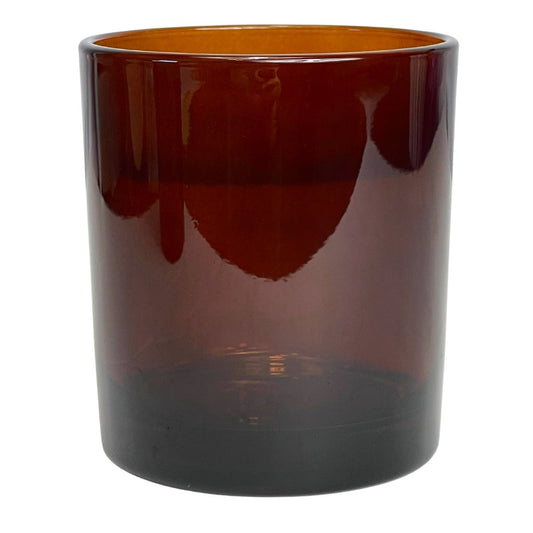
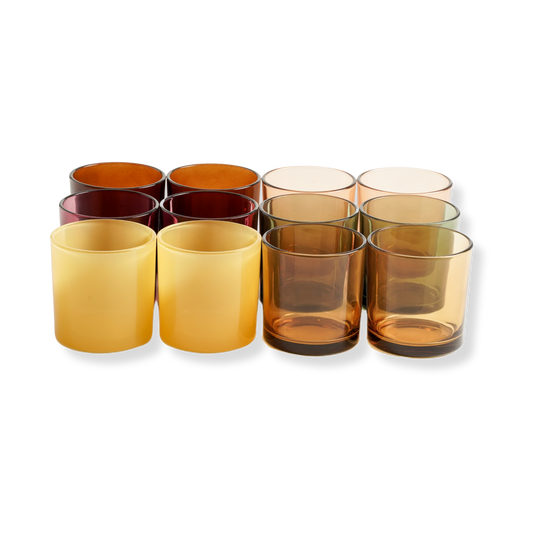
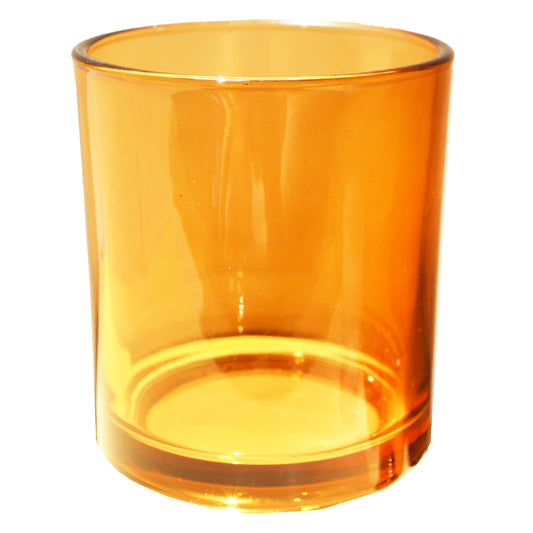
The vessel is an important part of the candle’s overall design. Amber glass, earthy neutrals, jewel tones, iridescent finishes, and rich autumn colors can transform a simple candle into a seasonal statement piece. Consider whether the vessel coordinates with:
• The fragrance
• The wax color
• Your product label
• The lid or closure
• Your brand’s overall appearance
• The intended occasion or customer
For a modern fall collection, consider mixing neutral vessels with a few deeper accent colors. Shades such as cocoa, olive, vino russo, burnt orange, and midnight indigo can create an autumn palette without making every candle look identical.
Always use a candle vessel designed or appropriately tested for candle applications. Decorative drinking glasses and containers not intended for candles may not be able to withstand the heat produced during burning.

Make a Small Test Batch
Before producing an entire fall candle collection, make a small test batch. Testing in smaller quantities helps prevent wasted wax, fragrance oil, vessels, and labels if the formula needs adjustment. Record the following information for every batch:
• Wax type and amount
• Fragrance oil and fragrance percentage
• Dye type and quantity
• Wick series and size
• Vessel dimensions
• Wax melting temperature
• Fragrance-addition temperature
• Pouring temperature
• Curing time
• Room conditions
• Burn-test observations
Detailed notes make it easier to identify why one candle performs better than another. They also allow you to reproduce successful formulas consistently.

Allow the Candle to Cure
A candle may look finished once the wax has hardened, but it may still need time to cure before testing or burning.
The appropriate curing time depends on the wax and fragrance combination. Some waxes may perform better after resting for several days or longer. Follow the wax manufacturer’s recommendations and keep the candle in a cool, dry location while it cures.
Place a lid or protective cover on the candle once the wax has completely cooled. This can help keep the surface clean while you wait to conduct the burn test.
Conduct a Complete Burn Test
Every candle formula should be burn-tested before it is sold, gifted, or produced in large quantities.
Trim the wick according to the wick manufacturer’s recommendation, place the candle on a stable and heat-resistant surface, and observe it throughout the test. Pay attention to:
• Flame height and movement
• Melt-pool development
• Smoke or visible soot
• Mushrooming on the wick
• Fragrance performance
• Vessel temperature
• Wax remaining around the edges
• Wick behavior as the wax level becomes lower
Do not judge a candle from only its first burn. The candle’s performance may change as it burns farther down the vessel. Test it through its expected usable life while following proper candle safety procedures.
If you change the fragrance percentage, wax, wick, dye, or vessel, test the candle again. Even a small change can affect its performance.

Add the Finishing Touches
Labels and packaging can bring your fall candle theme together. Consider using warm neutrals, botanical illustrations, metallic details, or simple typography that reflects the candle’s fragrance.
Every candle should also include an appropriate warning label and clear burning instructions. Remind users to:
• Trim the wick as directed
• Burn the candle within sight
• Keep it away from drafts and flammable materials
• Keep it away from children and pets
• Place it on a stable, heat-resistant surface
• Follow the recommended maximum burn time
• Stop using it when the instructed amount of wax remains
Avoid adding dried flowers, herbs, leaves, crystals, or other flammable decorations near the wick. Although these decorations may look attractive, they can interfere with the flame and create a fire hazard.

Start Creating Your Fall Candle Collection
Making fall-scented candles is an opportunity to experiment with warm fragrances, rich colors, and beautiful seasonal vessels. The most successful candles begin with compatible supplies, accurate measurements, detailed notes, and careful burn testing.
Explore our selection of candle-making supplies, including fragrance oils, waxes, wicks, candle colors, vessels, molds, and tools for your next autumn project. Whether you are making your first fall candle or preparing a complete seasonal product line, having the right supplies will help you create candles that look beautiful and perform consistently.