




 View All
HTP VS CD Wicks: Which Candle Wick Is Right for Your Candle?
Sona MelikyanSelecting the right candle wick is one of the most important decisions a candle maker can make. Even the highest-quality wax, fragrance oil, and vessel cannot compensate for an improperly sized or poorly matched wick. The wick directly influences how a candle burns, how fragrance is released, the size of the melt pool, and the overall performance of the finished product.
Among the many wick options available today, HTP wicks and CD wicks are two of the most popular choices for container candle makers. Both wick series have earned a strong reputation within the candle-making community and are widely used in soy candles, paraffin candles, and various wax blends.
If you're trying to decide between HTP and CD wicks, understanding their characteristics can help simplify your wick selection process and improve your candle testing results.
Why Candle Wick Selection Matters
A candle wick does far more than simply provide a flame. The wick acts as a fuel delivery system, drawing melted wax upward where it vaporizes and burns. The wick must supply just the right amount of fuel to maintain a stable flame without creating excessive heat or consuming wax too slowly.
When a wick is too small, candles often experience tunneling, weak fragrance throw, and incomplete melt pools. When a wick is too large, candles may develop excessive soot, mushrooming, overheating, or shortened burn times.
Because every candle formulation is different, choosing the proper wick requires careful testing and evaluation.

Understanding HTP Wicks
HTP wicks are among the most widely used wick series in modern candle making. Designed with a braided cotton construction, HTP wicks are known for their consistent burn characteristics and excellent performance across a variety of wax systems.
Many candle makers choose HTP wicks because they provide reliable flame stability while helping reduce carbon buildup and excessive mushrooming. Their design allows them to maintain a controlled burn, making them a popular choice for container candles made with soy wax, paraffin wax, or blended wax formulations.
Another reason HTP wicks are favored by candle makers is the broad range of available sizes. From smaller vessels to larger containers, the HTP series offers multiple options that allow makers to fine-tune burn performance through testing. HTP wicks are commonly used in:
- Soy wax candles
- Paraffin candles
- Soy-paraffin blends
- Container candles
- Highly fragranced candles
Because candle performance varies based on vessel diameter, fragrance load, dye concentration, and wax type, most experienced candle makers test multiple HTP sizes before finalizing a formula.

Understanding CD Wicks
CD wicks, sometimes referred to as Stabilo wicks, are another highly respected wick series commonly used by professional and hobby candle makers alike.
CD wicks are particularly popular in natural wax candles because they are designed to promote efficient wax consumption and a strong melt pool. Many candle makers appreciate how CD wicks perform in soy candles, especially when working with larger vessels or candles containing higher fragrance loads.
One characteristic often associated with CD wicks is their ability to generate a full melt pool while maintaining a relatively controlled flame. This can help improve fragrance throw and support a more even burn throughout the life of the candle. CD wicks are frequently chosen for:
- Soy candles
- Natural wax candles
- Container candles
- Medium to large vessel candles
- Scented candles with higher fragrance loads
As with any wick series, performance depends on the specific candle formula. Successful candle makers rely on thorough testing to determine which CD size delivers the best results for their application.

HTP vs CD Wicks: What's the Difference?
Both HTP and CD wicks can produce excellent candles when properly matched to a formulation, but they often behave differently during testing.
HTP wicks are generally appreciated for their steady flame and controlled burn characteristics. Many candle makers find them useful when they want to reduce mushrooming and maintain consistent performance across various wax types.
CD wicks are often selected when stronger melt pool development is desired, particularly in natural wax candles. Some candle makers find that CD wicks create a more aggressive melt pool compared to similarly sized HTP wicks, though actual results vary depending on the wax, vessel, and fragrance combination.
Neither wick series is universally better than the other. In many cases, candle makers test both HTP and CD wicks before deciding which performs best for a specific candle.
The most successful approach is to evaluate each wick series under identical conditions and compare factors such as:
- Melt pool development
- Flame stability
- Fragrance throw
- Mushrooming
- Soot production
- Burn rate
- Container temperature
Testing provides valuable information that cannot be predicted by wick charts alone.

One of the most common questions candle makers ask is whether HTP or CD wicks are better for soy candles.
The truth is that both wick series can work exceptionally well in soy wax. The best choice depends on the specific wax formulation, vessel diameter, fragrance load, dye usage, and desired burn characteristics.
Some candle makers achieve excellent results with HTP wicks in soy wax because of their controlled flame and clean burn characteristics. Others prefer CD wicks because they can promote stronger melt pools and robust fragrance performance.
Rather than searching for a universal answer, experienced candle makers focus on testing. Two candles made with the same wax but different fragrance oils may require completely different wick sizes—or even different wick series.
This is why wick testing remains one of the most important steps in candle development.
Why Every Candle Maker Should Test Multiple Wick Sizes
Many new candle makers assume there is a single perfect wick size for a particular vessel. In reality, candle performance is influenced by numerous variables that make testing essential.
A fragrance oil with a high concentration of vanillin may burn differently than a citrus fragrance. Dark dyes may affect burn characteristics differently than undyed wax. Even seasonal temperature changes can impact candle performance.
For this reason, many candle makers begin with several wick sizes and conduct a series of controlled burn tests before selecting a final wick.
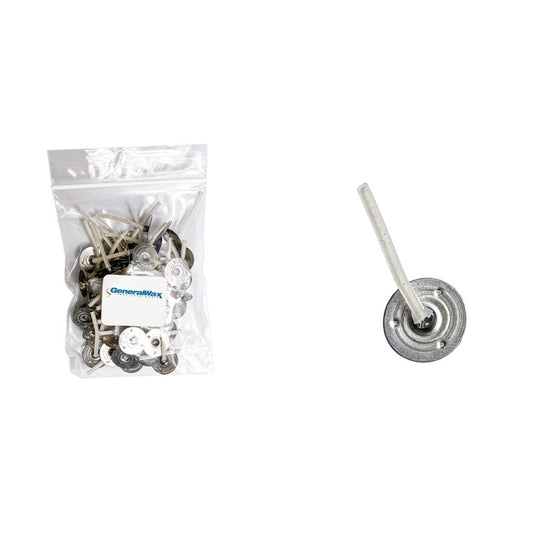
Using a wick sample kit can help streamline this process by allowing candle makers to compare multiple sizes within the same wick family. Testing several HTP sizes, for example, can quickly reveal which option produces the ideal melt pool, flame height, and burn performance for a specific candle.

Tips for Successful Wick Testing
Proper wick testing requires patience and consistency. When testing wicks, it is important to change only one variable at a time.
Use the same vessel, wax, fragrance load, and curing time throughout the testing process. Record observations after each burn session, paying close attention to flame behavior, melt pool formation, and any signs of soot or mushrooming.
Burn tests should be conducted over multiple sessions rather than relying on a single burn. A wick that performs well initially may behave differently as the candle burns deeper into the container.
Detailed testing notes can help candle makers identify patterns and make informed decisions about wick selection.
Find the Right HTP and CD Wicks for Your Next Candle Project
Whether you're creating candles for personal use, gifting, wholesale accounts, or a growing candle business, wick selection plays a critical role in product quality and customer satisfaction.
HTP and CD wicks are two of the most trusted wick series available to candle makers today. Both offer excellent performance when properly matched to a candle formulation, and both are capable of producing clean-burning, highly effective candles.
Because every candle recipe is unique, testing remains the best way to determine which wick performs best for your specific application.
At General Wax, we offer a variety of HTP and CD wick sizes to help candle makers find the right match for their candles. Whether you're developing a new fragrance line or refining an existing formula, quality wick selection and thorough testing are key steps toward creating a better-burning candle.