




 View All
From hive to candle: The value of beeswax in candle-making
Sona MelikyanCandle making has a long history, and among the many materials used throughout time, beeswax has remained one of the most valued. Known for its natural origin and warm golden tone, honey-based wax has been used for centuries to create candles that are both functional and beautiful. Today, candle makers continue to appreciate this material for its unique qualities, including a clean burn, a subtle natural aroma, and an elegant appearance. Whether used in handcrafted candles, decorative pieces, or traditional taper candles, honey-based wax offers a timeless connection between nature and craftsmanship. Its ability to burn slowly and produce a gentle glow makes it especially appealing for those who enjoy candles that combine aesthetic charm with natural materials. As interest in artisanal and sustainable products grows, this natural wax remains an important ingredient in modern candle making.
Beeswax

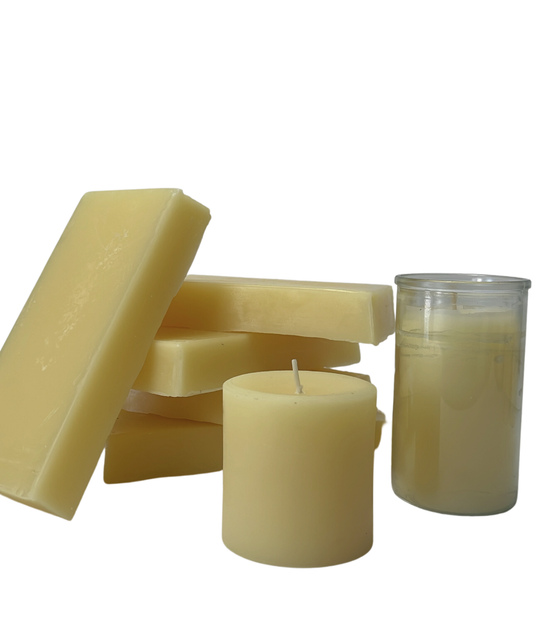
Beeswax is a natural wax produced by honeybees as part of the honeycomb structure within a hive. Worker bees secrete the wax and shape it into hexagonal cells where honey and pollen are stored. After honey harvesting, the remaining wax can be filtered and refined, making it suitable for various uses, including candle production. This wax has a naturally golden color and a faint honey-like scent, which many people find pleasant even without added fragrance. Unlike some other wax types, honey-based wax does not require extensive chemical processing before it can be used in candles. Because it comes directly from a natural source, many candle makers value it for its simplicity and authenticity. The texture of this natural candle wax is firm yet workable when heated, allowing artisans to shape it into many candle styles, from rolled sheet candles to molded decorative pieces.
Why beeswax is valued in candle-making

One of the main reasons this natural wax remains highly valued in candle making is its excellent burning quality. Beeswax candles burn slowly and steadily, producing a bright and stable flame with minimal smoke when properly wicked. This clean burn helps keep candle holders and surrounding surfaces free from excess soot, making natural wax candles a practical choice for indoor environments.
Another appealing characteristic of honey-based wax is its subtle natural fragrance. The gentle honey-like aroma creates a warm and comforting atmosphere even without added scent oils. This makes natural wax candles especially attractive to people who prefer naturally scented products rather than strongly fragranced candles.
Beeswax candles are also known for their durability and long burn time. Because honey-based wax has a relatively high melting point, the candles tend to maintain their shape well even in warmer conditions. This strength makes them suitable for decorative designs that may be displayed before being lit. At the same time, the slow melting process allows these natural wax candles to last longer than many other candle types, providing extended enjoyment while adding a classic and elegant touch to home décor.
Different ways beeswax is used in candle making

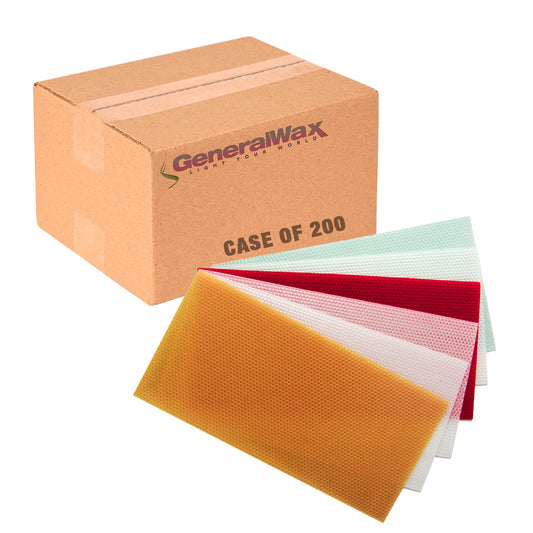
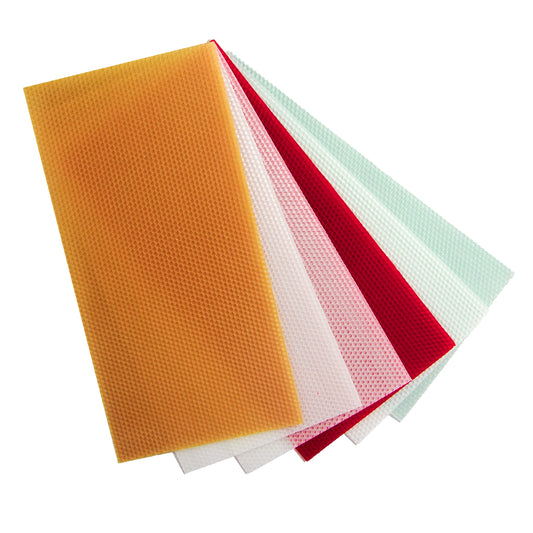
Candle makers use honey-based wax in several different forms depending on the style of candle they want to create. One common form is honey-based wax sheets, which are thin layers of wax that can be rolled around a wick to form candles. This method is popular for beginners because it requires minimal equipment.
Another approach involves melting this natural candle wax and pouring it into molds. This technique allows artisans to create pillar candles, decorative shapes, and sculptural designs. Molded beeswax candles often showcase intricate details and textures that enhance their visual appeal.
Honey-based wax can also be blended with other natural waxes in certain candle-making recipes. These blends may adjust hardness, color, or scent performance while maintaining the natural character of the wax.
The enduring role of beeswax in modern candle making

Even as candle making evolves with new materials and techniques, natural wax continues to hold a respected and lasting place in the craft. Its long history, dependable performance, and natural beauty make it a material that many candle makers consistently return to. While modern waxes offer various advantages, honey-based wax stands out for its authenticity and timeless appeal. As interest in handcrafted products and natural home décor continues to grow, beeswax candles are likely to remain popular among consumers.
Many people appreciate products that feel closer to nature and are made with traditional methods. The warm color, subtle honey aroma, and steady flame of honey-based wax candles create a sensory experience that synthetic waxes often struggle to replicate. From simple rolled sheet candles to carefully molded decorative pieces, this natural material allows candle makers to explore creativity while maintaining a strong connection to natural materials.
Artisans often experiment with carving, layering, or sculpting techniques to highlight the wax’s unique texture and color. For both professional candle makers and hobbyists, this natural wax remains a rewarding material that combines tradition, craftsmanship, and beauty in every candle created.

The use of honey-based wax in candle making reflects a long tradition of craftsmanship rooted in natural materials. This natural wax continues to inspire candle makers and enthusiasts alike. As interest in authentic and thoughtfully made products grows, beeswax will likely remain an enduring favorite in the world of candle making.