

 View All

Lavender Candle Dye Block
Lavender Candle Dye Block
- Concentrated solid dye for candle making
- Creates shades from soft lavender to rich violet-purple
- Formulated for improved color clarity
- Colors more wax than traditional dye chips
- Can be used with soy and paraffin candle wax
- Add more dye to create deeper, more saturated color
Couldn't load pickup availability
SKU: P0825405_EA
- Description
- Specs
- Color & Testing
- Details
- How To Use
- Best For
Create elegant purple candles with Lavender Candle Dye Blocks. This concentrated solid candle dye produces shades ranging from a soft lavender to a richer violet-purple, depending on the wax and the amount of dye used.
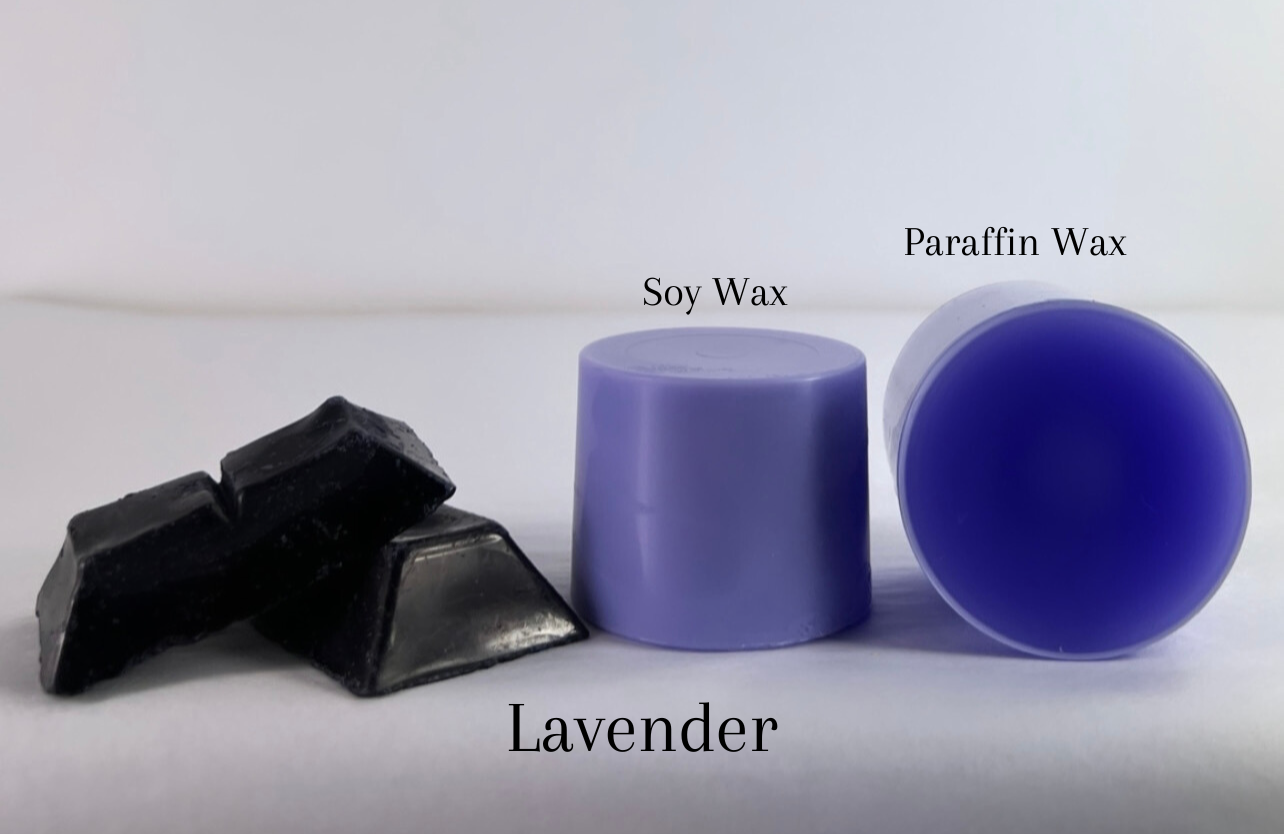
The Lavender Candle Dye Block is compatible with both soy wax and paraffin wax. Soy wax is naturally white and opaque, so it commonly produces a softer, more muted Lavender shade. Paraffin wax may produce a clearer, deeper and more saturated purple. Fragrance oil, additives and dye concentration may also affect the final result.
For a lighter lavender shade, shave a small amount from the block and add it gradually to fully melted wax. Use more dye to create a deeper and more saturated purple. Lavender can also be blended with other candle dye blocks to develop custom shades such as lilac, plum, mauve, periwinkle and deep violet.
Available as a single block, a 12-block pack, or a 60-block pack, this candle dye is suitable for testing new formulas, making small batches, and producing candles in larger quantities.
For reliable results, create a complete test candle using the intended wax, dye, fragrance, additives, vessel or mold, and wick. Allow it to cure and conduct a full burn test before beginning production.
Creating custom colors
Lavender Candle Dye Blocks can be blended with other candle dye blocks to create custom shades:
- Lavender + blue: Periwinkle, blue-violet or cool lavender
- Lavender + pink or magenta: Orchid, lilac or vibrant purple-pink
- Lavender + burgundy: Plum, mulberry or deep wine-purple
- Lavender + red: Warm purple, berry or grape
- Lavender + a small amount of black: Deep violet, aubergine or nearly black purple
- Lavender + a small amount of brown: Dusty mauve, muted plum or vintage purple
- Lavender + a small amount of yellow: Muted lavender, taupe-purple or neutral mauve
- A small amount in natural white wax: Pale lilac, pastel lavender or soft wisteria
Add the second color gradually and record every measurement so the custom shade can be reproduced. Always evaluate a fully cooled wax sample because melted wax usually appears darker than the finished candle.
Product type: Concentrated solid dye
Dye Type: Block
Dye Color: Lavender